July 27, 2026
.jpeg)
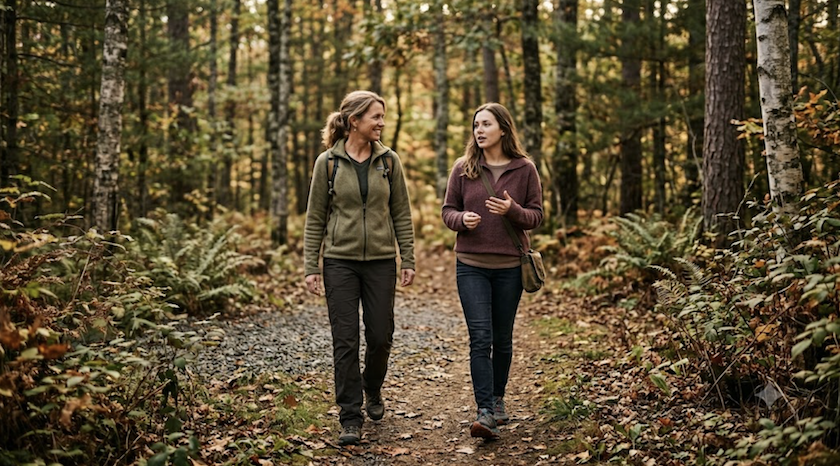
No. You do not need a psychology or counseling degree, and you do not need a therapy license, to become a professional coach. Coaching and therapy are two different professions with two different sets of rules. Therapy diagnoses and treats mental health conditions and is licensed by the state. Coaching helps someone move toward what they want next, and professional bodies credential it, chiefly the International Coaching Federation (ICF), instead of the state licensing it. The mark of a serious coach is ICF-accredited training and an ICF credential, not a graduate degree.
There is good news and a catch. You do not have to spend years and tens of thousands of dollars on a degree you were never sure you wanted. You do have to get coach-specific training, because "no degree required" does not mean "no preparation required."
Key takeaways:
The difference that matters is scope. Therapy works with mental health: diagnosis, treatment, past wounds, clinical conditions. It is regulated, for good reason, and it requires a license such as an LPC, LCSW, or a psychology doctorate. Coaching works with someone who wants to grow, decide, build, or change direction. It looks forward more than back, and it does not treat illness.
You can be an excellent coach without ever training as a clinician. What you cannot do, ethically, is coach someone who needs therapy, or blur the line between the two. Good coach training teaches you where that line sits and how to refer with care. If you are still weighing the two paths themselves, our guide on whether to become a coach or a therapist walks through that decision.
People often misread this. Because coaching is not licensed, some assume anyone can hang a shingle with no preparation. That is true in a narrow legal sense and misleading in every way that counts. Clients, referral partners, and serious programs look for one signal above all others: ICF-accredited training and an ICF credential.
The ICF is the largest global professional body for coaches. It accredits training programs and issues coach credentials at three levels (ACC, PCC, and MCC). When your training is ICF-accredited, you have met a recognized standard for coaching competencies, mentored practice, and ethics. That is the credibility a psychology degree is often a proxy for, earned through the profession you are entering.
So the honest answer to what you need is coach-specific, ICF-accredited training.
If you already have a background in psychology, counseling, education, or the helping professions, it is useful grounding, and you will recognize a lot. It is not required, and by itself it is not enough, because coaching is a distinct skill set with its own tools and stance. Some of the strongest coaches come from business, teaching, the outdoors, healthcare, or the arts, and they bring the life they have lived into the room. The calling to guide others matters more than the field you are leaving.
For coaches drawn to work in and through nature, the same rule holds, with one addition. You are not training to become a wilderness therapist, which is a clinical role with a license behind it. You are becoming a coach whose method is grounded in nature connection and backed by coaching tools, neuroscience, and psychology. That is a recognized profession with its own credential path, and it does not run through a graduate program.
Whether a single day outdoors once split your life into before and after, or the pull has been quietly building since childhood, you get there through coach training.
No. Coaching is not state-licensed the way therapy is. That makes coach-specific training and an ICF credential the meaningful marks of qualification, and it makes ethical scope, knowing when someone needs a therapist, part of doing the work well.
No. Therapy treats mental health conditions and requires a clinical license. Coaching supports someone moving toward a goal and is credentialed, not licensed. A good coach refers clients to a therapist when they need one.
Coach-specific training accredited by the ICF, leading to an ICF credential (ACC, PCC, or MCC). That is the recognized professional standard, and clients and referral partners look for it.
Your background is useful grounding, and it is not a substitute for coach training. Coaching is a separate skill set with its own competencies and ethics. ICF-accredited training is still the standard.
For coaching in nature, you need coach training grounded in nature connection, not a clinical wilderness-therapy license. Nature-connected coaching pairs an ICF credential path with nature as the foundation of the method.
If this is the barrier that has quietly stopped you, it may be smaller than it looked. When you want to see what coach-specific, nature-connected training involves, request the NCC brochure. We run cohorts twice a year, and there is nothing to decide today beyond whether you want to look.
%20(1).png)
Earth-Based Institute is an ICF Level 2-accredited training organization. We've certified Nature-Connected Coaches since 2008, alongside offering programs for personal growth, leadership, and 1:1 coaching.
[email protected].png)