October 1, 2026
.jpeg)
Integration coaching is a young field. No state licenses it as its own profession, and any school can hand out a certificate. Before you pay for a training, find out how it chooses its students, what it lets its graduates do, and who will watch you practice.
Key takeaways
People who come back from a big experience, whether a ceremony, a retreat, a spiritual awakening, or a loss, are often open and tender. The coach they find in that window matters. When you choose a training, you are also choosing the standards you will bring to those clients. These nine questions help you tell a careful training from one that only wants your tuition.
This is the first question for a reason. A training that admits anyone who can pay will graduate people who should not be working with clients in a tender state.
Ask whether there is an application, and who reads it. Ask whether there is a conversation with an instructor before you are accepted. Then ask the most telling question: "Have you ever said no to someone?" A training that screens its students can tell you what it looks for. A training that does not will usually change the subject.
Integration coaches support people before and after a life-changing experience. Most do not facilitate those experiences, and a coach is not a therapist or a medical provider.
Ask to see the scope in writing. It should say what graduates do and what they never do. Look for clear lines on sourcing, dosing, administering, sitting with someone during an experience, and recommending any substance. If the answer is vague, or if the training suggests you can do a little of everything, keep looking.
A published ethics code gives students and clients something to point to. Many coach trainings use the ICF Code of Ethics from the International Coaching Federation, which covers confidentiality, conflicts of interest, and honest representation of your skills.
Then ask the harder part: what does the training do when a student or graduate acts against the code? A code with no follow-through is a poster on a wall.
Look for a way for clients to be heard. When a coach or a school answers to an outside professional body, a client has somewhere to go if something goes wrong. The ICF, for example, accepts complaints from coaching clients about its members, its credential holders, and the schools it accredits. The ICF reviews each complaint, can appoint outside investigators, and an independent review board decides the outcome. That process gives clients real rights. Ask the training which outside body its graduates answer to, and how a client would file a grievance.
Ask about cultural respect, too. Much of this work draws on ceremonies, practices, and plant traditions that belong to Indigenous and other living cultures. An ethical training names where its practices come from, gives credit to the people who hold them, and teaches students never to present themselves as keepers of a tradition they were not given. Ask how the training handles this, and who it learned from.
Look for instructors with real experience on both sides of this work: coaching skills, and time spent with people before and after big experiences. Ask how long they have trained coaches, as well as how long they have worked in the field.
Ask who you will see on live calls. Some programs are built around a well-known name who appears in recorded videos while others do the live teaching. That can be fine, as long as you know it before you enroll.
You learn to coach by coaching a real person while someone qualified watches, then hearing honest feedback.
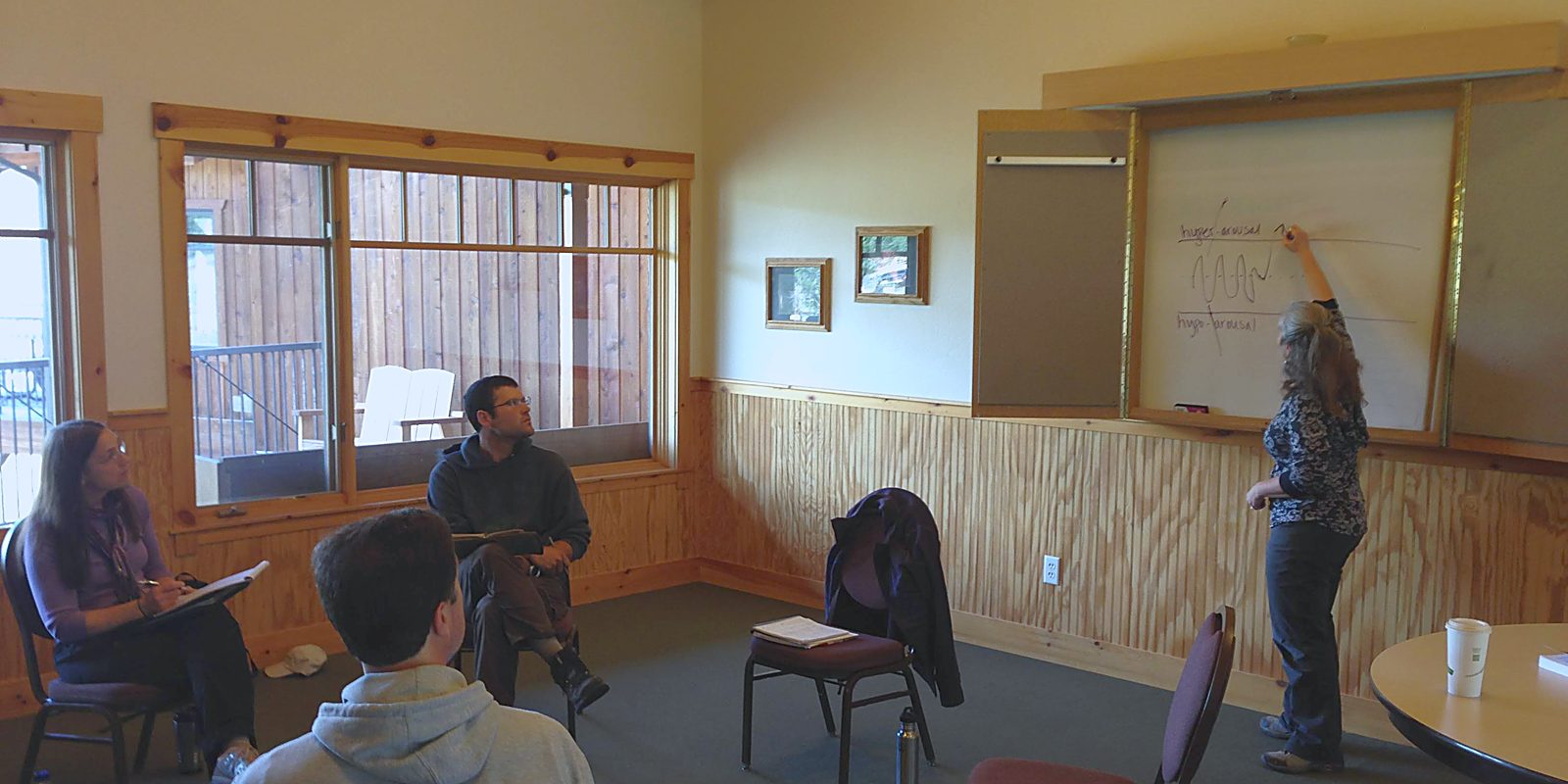
Ask how much of the program is live practice. Ask how often an instructor observes you, and whether there is a final project or evaluation before you graduate. This is also how a careful training finds out that a student is not ready yet, before a client does.
Not every person is ready for every experience, and not every client is right for every coach. A good training teaches you to assess readiness, to recognize warning signs, and to say "not now" or "not me" when that is the caring answer.
Ask where this is taught in the curriculum. If readiness and contraindications are not on the syllabus, the training is leaving its students to guess.
Integration coaching works best alongside other professionals. Some clients need a therapist. Some need a doctor. A good coach knows the signs and makes the referral.
Ask how the training teaches referral, and whether it has relationships with clinicians, clinics, or facilitator trainings. A training that sees itself as a replacement for therapy is a red flag.
A website shows you the best quotes. A conversation shows you the whole picture. Ask to speak with a graduate who finished at least a few months ago and is working with clients now.
Ask them what surprised them, how much feedback they got, and whether they felt ready when they finished. Ask whether the other people in their cohort were people they would trust with a friend.
Your first year of working with clients raises questions you could not have asked during training. Ask whether graduates keep access to a community, to mentoring, or to case consultation. A training that stays involved after graduation keeps its standards alive in the field.
We have trained coaches since 2008. Our Nature-Based Integration Coaching (NBIC) program was built to meet the standards in this post.
You are welcome to use all nine questions in your conversation with us. We would rather you ask them.
If you are weighing an integration coach training, start with a conversation. Schedule a call with our team, or read more about Nature-Based Integration Coaching.
Want to see how we teach first? Join us for a free live training, After the Breakthrough, on Tuesday, October 13, at 12 PM Mountain.
Not as its own profession. Anyone can call themselves an integration coach, and any school can issue a certificate. That is why the questions you ask a training matter so much. Look for a written scope of practice, a published ethics code, and real screening of who gets in.
Ask how they choose students, what their graduates are allowed to do, which ethics code they follow, and what happens when someone breaks it. An ethical training can answer all four in plain words. Be careful with any program that accepts everyone who pays, or that is vague about scope.
No. Integration coaching is coaching, not therapy. Many strong integration coaches come from coaching, guiding, bodywork, nursing, or retreat work. A good training teaches you where coaching ends and when to refer a client to a therapist or a medical provider.
An integration coach trained by Earth-Based Institute does not. NBIC graduates do not provide, source, dose, administer, sit for, or recommend any substance. They support people before and after a life-changing experience. Ask any training to show you its scope in writing.
It should notice and say so. That takes instructors who watch students practice and give honest feedback. A training that never observes you coach cannot tell whether you are ready, and it cannot protect the clients you will work with later.
Related reading: How to find an ethical integration coach · What is Nature-Based Integration Coaching? · Can you make a living as an integration coach? · 10 questions to ask before choosing a coaching certification program
Michael Jospe, PCC, is the founder and lead instructor of Earth-Based Institute, an ICF Level 2 accredited Nature-Connected Coaching certification based in Boulder, Colorado. He has trained nature-connected coaches since 2008 and serves as an ICF coach assessor and mentor.
%20(1).png)
Earth-Based Institute is an ICF Level 2-accredited training organization. We've certified Nature-Connected Coaches since 2008, alongside offering programs for personal growth, leadership, and 1:1 coaching.
[email protected].png)