The coach who helps someone integrate a powerful experience or insight back into daily life.
A journey, a ceremony, a medicine experience can crack someone open. When it does, they see their life differently. The challenge is taking that new perspective and applying it to their current life of emails, bills, and people who don't quite understand the change they experienced.
This is where the integration coach steps in!
Integration is not the experience. It goes beyond it. Integration is the discovery that follows: the uncovering of what the experience revealed, the metabolizing of those lessons, and slowly living into what is now possible. Not more journeys. Not journaling once and moving on. Not blowing up your life the week you get home. It is the steady work of letting an insight reshape a life. It is what you are training to guide.
Every transformational experience moves through three stages: preparation, the experience, and the return. A Nature-Based Integration Coach primarily works the return. And when the opportunity arises, they also know how to support the preparation stage, which makes the experience that follows and its integration even more effective.
People come to this training from many directions. Therapists and counselors who want to specialize in integration without adding facilitation to their scope. Coaches who have been doing general practice and want to go deeper with clients navigating significant transitions. Facilitators and guides who hold the experience itself and want to extend their care into what comes after. People who went through the integration process themselves and want to guide others through it. What they share is their own transformational relationship with the land, and a belief that what happens after the experience matters as much as the experience itself.

This is a snapshot of what the work looks like up close. Not a formula to run, but the shape it tends to take, at the client's pace, never forced.
Right after the journey, a person can be raw and disoriented, like a forest after a fire. First you help them find ground, connection, and focus.
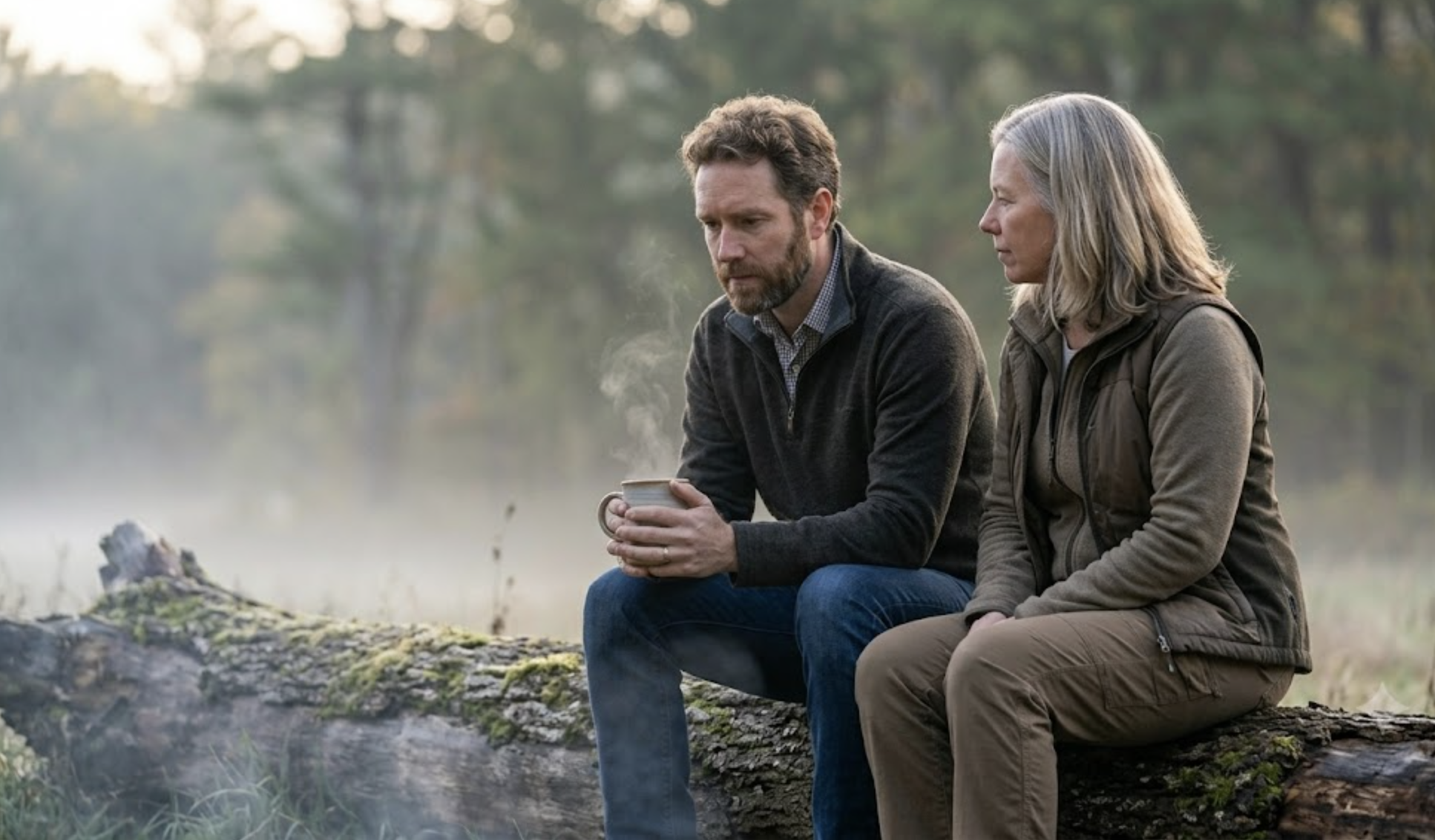
You help them make sense of what happened in a way that inspires clarity and thoughtful action, without rushing to interpret it for them.
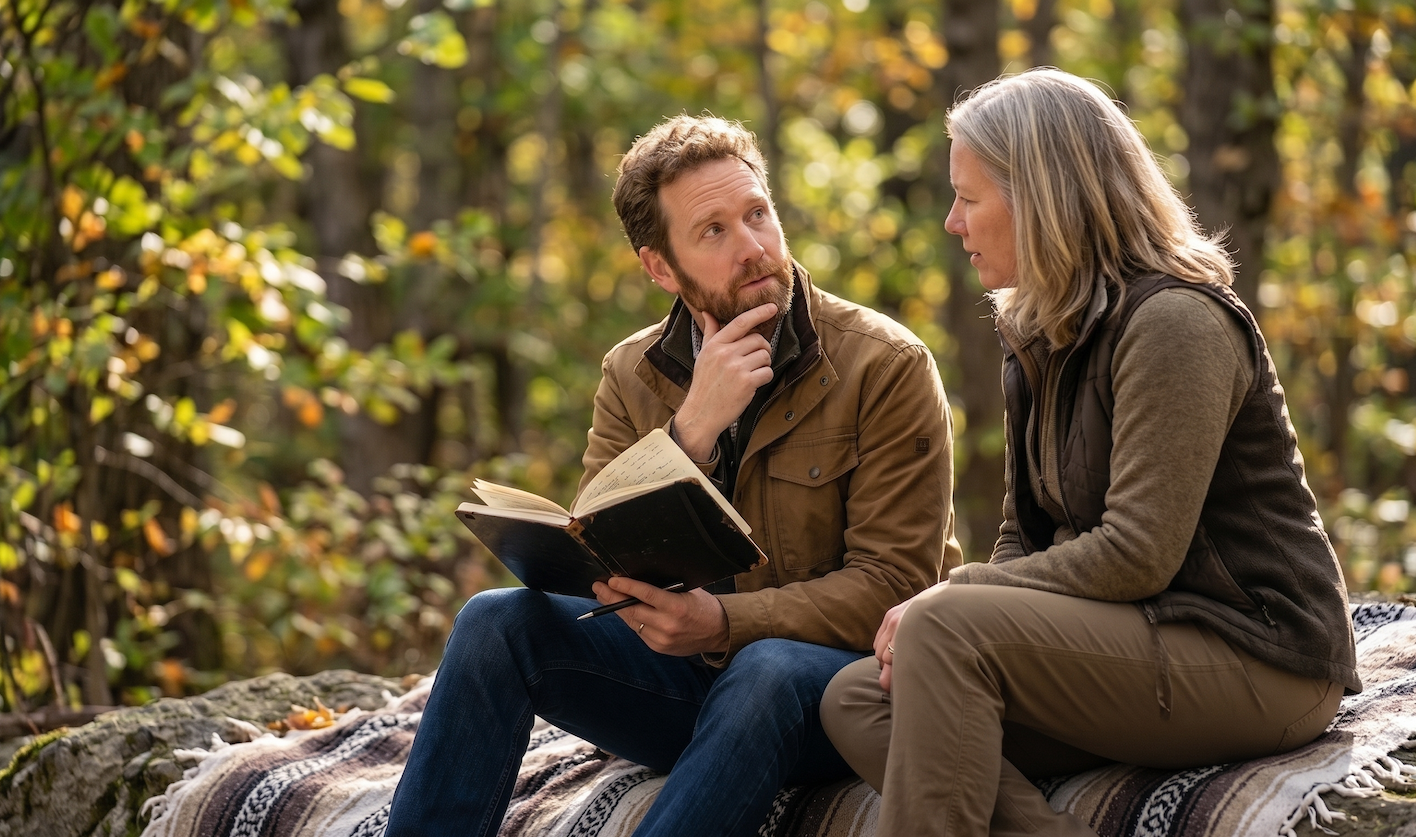
Together you find the old patterns that were quietly running their decisions, and what they were protecting.
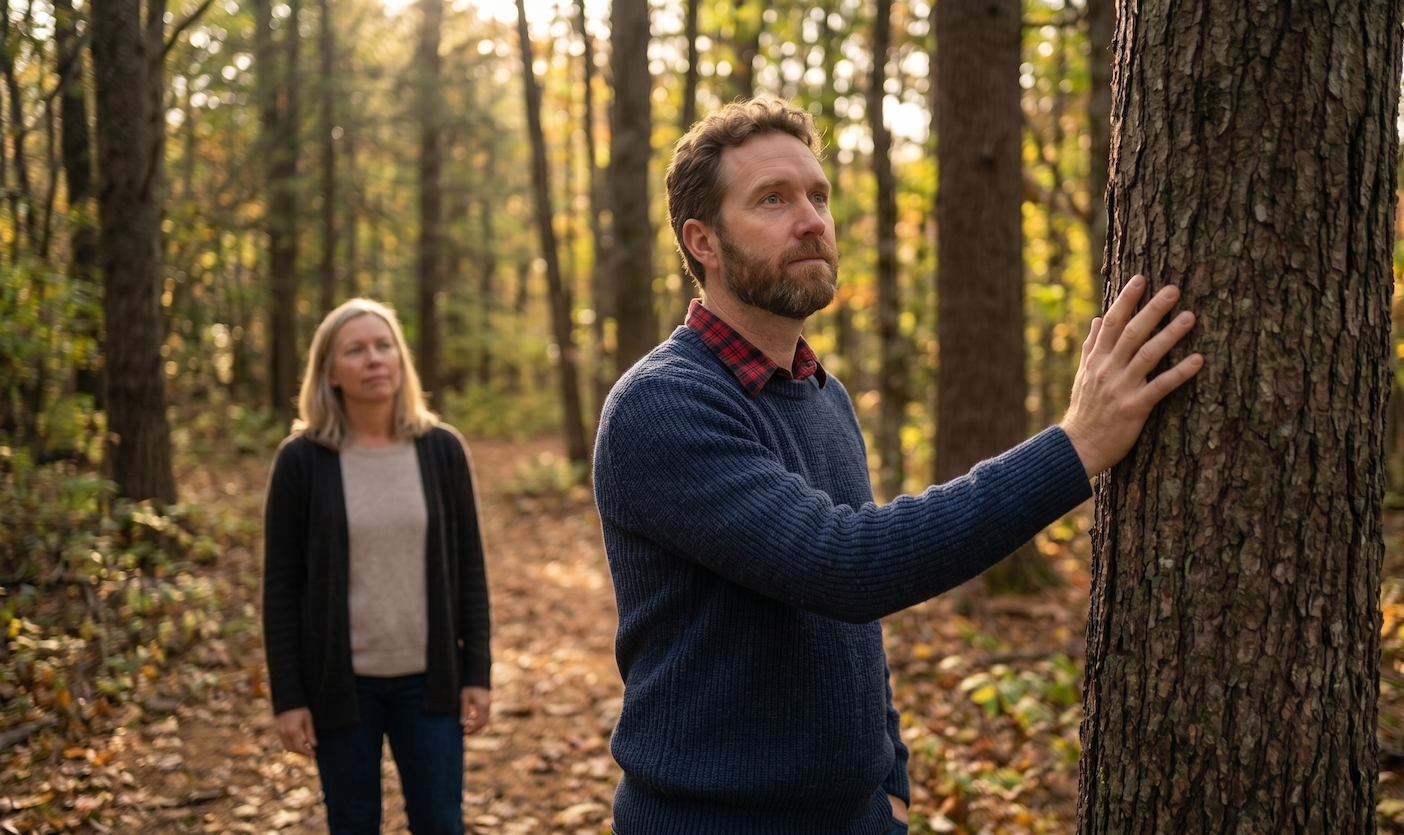
They take the first real actions of a changed life. A new boundary, a hard conversation, a different way of being at home.

Integration is a nervous-system shift. It happens when a person slows down enough to settle. Nature helps make that settling possible, mirroring it and providing the context for it. As a Nature-Based Integration Coach, you work with that rhythm instead of forcing it. It asks something of you too: your own ongoing relationship with the land, so you can bring others into it.
NBIC is not about the facilitation, administration, or recommendation of any substance. It is not about encouraging your client to enter an expanded state. Your work is the meaning-making around the experience, and when applicable, working closely with the licensed facilitators and clinicians your client has hired. That boundary is what makes this work safe for your clients and trusted by the people who refer them.
Nature-Based Integration Coaching is built on nine professional competencies, spanning the psychedelic process and harm reduction, trauma-informed care, the nature-connected method, and ethics and cultural respect. Paired with our Nature-Connected Coaching certification, it is an ICF Level 2 pathway.
That pairing is what reaches ICF Level 2, recognized by the International Coaching Federation, the primary professional credentialing body in coaching. For coaches building relationships with healthcare providers, that recognition signals a standard of training and an ethical framework providers can rely on.
.png)
The number of ketamine clinics, psychedelic-assisted therapy programs, journey practitioners, and ceremony and retreat centers is growing every year. Many of them have no built-in support for what happens after a client's session ends. Often, someone leaves one of these services without the support they need to live what they found. Clinicians need someone trusted to send them to.
An NBIC coach fills that gap. When you hold a credential those providers recognize, you become part of a specialized referral system with very few people trained for it. The coaches who step into those relationships now are the ones who will shape what this field becomes.

Maybe you've felt the need for integration in your own life, and wished you'd had someone to help you live it. If the idea of being that person for someone else has stayed with you as you read, that's worth listening to. The next step is just a conversation.
Schedule a conversation
Earth-Based Institute is an ICF Level 2-accredited training organization. We've certified Nature-Connected Coaches since 2008, alongside offering programs for personal growth, leadership, and 1:1 coaching.
[email protected]